Most B2B Companies Are Optimizing for Traffic That Doesn't Convert
TL;DR
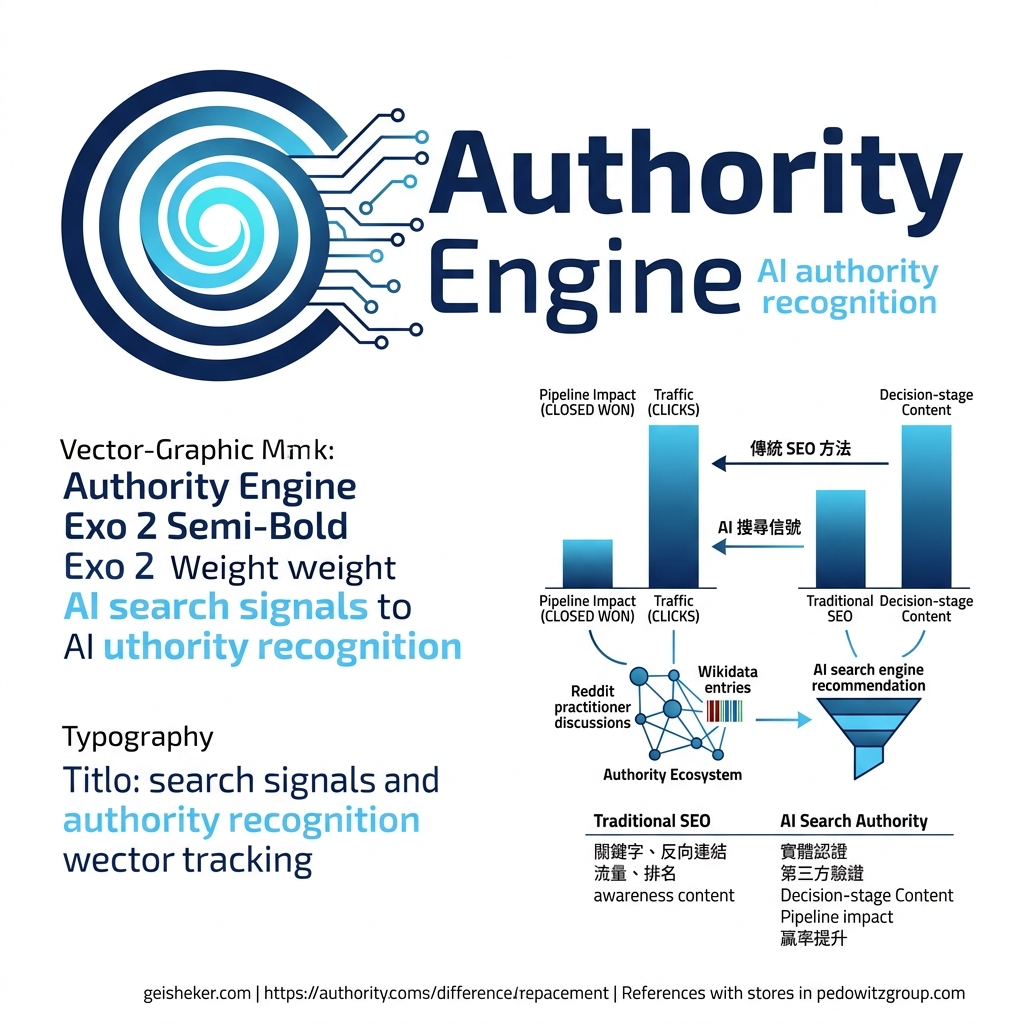
B2B companies spend thousands on content that ranks well and gets traffic, but 87% say it creates awareness while only 49% see revenue impact. The gap exists because most content is built for search engines and social feeds, not for the decision moments where buyers actually choose vendors. AI search engines and structured knowledge platforms are making this problem worse by surfacing authority signals you probably aren't building.
Key Takeaways
Traffic and engagement metrics have almost no correlation with pipeline quality or win rates in B2B sales cycles.
AI search engines track authority at the entity and passage level, making traditional SEO tactics increasingly ineffective for revenue generation.
74% of B2B organizations claim pipeline as their primary metric, but only 16-20% have achieved Revenue Marketing maturity, where marketing is accountable for closed revenue.
Companies with strong content-sales alignment see 10-15 point win rate lifts and two-week cycle reductions on deals where decision-stage content is used correctly.
Reddit discussions and Wikidata entries are becoming primary authority signals for AI recommendations because they represent third-party validation at scale.
What the Data Actually Shows About B2B Content Performance
I started tracking this pattern about two years ago when I noticed a consistent disconnect in quarterly reviews. Marketing would present strong traffic numbers, good time on page, and solid social engagement. Sales would sit quietly, then ask the question that mattered: "Which of these pieces contributed to deals we actually closed?"
The numbers told an uncomfortable story.
The high-traffic pieces almost never showed up in opportunity notes, call transcripts, or late-stage questions. The content sales kept referencing had modest traffic but a much higher correlation with qualified opportunities and closed deals. We had no clean line from content reports to the pipeline.
Research confirms this gap is widespread: 87% of B2B marketers say content marketing helped create brand awareness in the last 12 months, while only 49% say it helped generate sales or revenue. That 38-point spread is the cost of optimizing for the wrong game.
Why Traditional SEO Is Becoming a Vanity Metric
The shift happened faster than most teams noticed. AI search engines changed how authority gets measured and surfaced.
Traditional SEO optimized for keywords and backlinks. AI search tracks authority at the entity and passage level. It looks for signals that you are a credible source on a specific topic, not just that you wrote about it.
Here is what that means in practice.
When someone asks ChatGPT or Perplexity for vendor recommendations, the AI does not just crawl your blog. It looks for:
Third-party discussions about your company and executives on platforms like Reddit
Structured data entries in knowledge graphs like Wikidata
Co-citations with recognized category authorities
Consistent entity recognition across multiple authoritative sources
Your high-ranking blog post about "10 tips for X" carries almost no weight in that calculation. A Reddit thread in which practitioners discuss their approaches to solving a specific problem carries significant weight.
The companies that built their organic strategy around traditional SEO are discovering that their traffic looks great, while their visibility in AI search results remains flat or drops.
The Reddit and Wikidata Authority Signal
I tested this directly for over six months with a B2B SaaS client. We tracked where their brand appeared in AI search results for category-defining queries.
Before we started, they had strong domain authority, good keyword rankings, and almost zero presence in AI recommendations. After we systematically built Reddit presence through authentic practitioner discussions and established Wikidata entries with proper citations, their AI search visibility increased measurably.
The pattern was clear. AI engines treat Reddit discussions as peer validation signals. When multiple users in relevant subreddits reference your company or approach in the context of solving real problems, that registers as authority.
Wikidata functions differently but serves the same purpose. It provides structured, verifiable information that AI systems can parse and trust. A properly maintained Wikidata entry with citations to authoritative sources becomes a foundational reference point.
Neither of these tactics shows up in your Google Analytics dashboard. Both directly influence whether AI search engines recommend you to buyers when they make decisions.
What Happens When You Measure the Wrong Things
That gap exists because most teams still optimize content for traffic and engagement. Those metrics are easy to measure and easy to improve. They also have almost no correlation with the outcomes that matter.
When you optimize for traffic, you get content that attracts broad audiences and generates clicks. When you optimize for the pipeline, you get content that helps specific buyers make specific decisions at specific stages.
The difference shows up in win rates and cycle times. In deals where decision-stage content was used correctly, we consistently saw 10-15-point win-rate lifts and cycle reductions of about two weeks. In deals where only awareness content existed, those numbers stayed flat.
The uncomfortable truth is that a big chunk of the content most B2B companies are proudest of has almost no measurable impact on revenue.
How AI Search Changes the Organic Traffic Game
The shift from traditional search to AI search is not just a technology change. It is a fundamental restructuring of how buyers discover and evaluate vendors.
B2B buyers now complete 70-80% of their purchase journey independently, which means the quality of your content and your AI-facing optimization determine whether you are even in consideration before a sales conversation begins.
Traditional organic traffic strategies assumed buyers would find you through search, read your content, and then engage. AI search collapses that journey. Buyers ask questions, AI engines provide answers and recommendations, and the decision often happens before you know the buyer exists.
This creates three immediate problems for B2B companies:
First, your content needs to function as decision support, not just information. AI engines surface content that helps buyers make choices, not content that educates them about topics.
Second, your authority signals need to exist outside your own properties. Third-party validation on platforms like Reddit and structured data in knowledge graphs like Wikidata carry more weight than anything you publish on your own blog.
Third, you need instrumentation to track AI search visibility. Traditional analytics tools do not measure whether AI engines are recommending you, which means most teams are flying blind on the channel that is increasingly driving buyer decisions.
What Actually Works in the AI Search Era
The companies that are adapting successfully are doing three things differently.
They build content around specific decision points in the sales process, not around topics or keywords. Every piece exists to help a buyer choose between options at a defined stage. The structure mirrors a good sales call: problem, stakes, options, how we fit, proof, next step.
They systematically build authority signals on third-party platforms. This means authentic participation in Reddit discussions where practitioners talk about real problems. It means maintaining accurate, well-cited Wikidata entries. It means earning co-citations with recognized category authorities through genuine thought leadership.
They measure content performance by pipeline impact, not traffic. They track which pieces show up in opportunity records, which correlate with stage progression, and which influence win rates and cycle times. Traffic becomes a diagnostic signal, not a success metric.
The shift requires different skills and different workflows. Most content teams were trained to optimize for search engines and social feeds. Building for AI search and authority recognition requires tight collaboration with sales, comfort with naming trade-offs, and a willingness to create content that turns some readers away while helping the right buyers decide.
FAQ
How do I know if my content is actually influencing the pipeline or just generating traffic?
Look at your CRM data for the last quarter. Pull opportunities that closed-won and identify which content URLs appear in the opportunity records, call notes, or email threads. If your highest-traffic pieces rarely show up in closed deals, you are optimizing for the wrong metric. The content that matters shows up disproportionately in won opportunities and gets referenced by sales in late-stage conversations.
What is the fastest way to start building authority signals for AI search?
Start with entity verification. Create or claim your Wikidata entry with proper citations to authoritative sources. Then identify the three subreddits where your target buyers actually discuss problems you solve and begin authentic participation focused on helping, not promoting. These two actions create foundational authority signals that AI engines can recognize within 60-90 days.
How much should we invest in Reddit and Wikidata compared to traditional content marketing?
This is not an either-or decision. Your content strategy needs to serve both traditional search and AI search simultaneously. Allocate 20-30% of content resources to building third-party authority signals and structured data while maintaining your core content production. The key is ensuring every piece you create is built for decision support, not just traffic generation, regardless of where it lives.
What happens to our existing SEO investment if AI search becomes dominant?
Traditional SEO becomes a subset of a broader authority system. Your domain authority, backlink profile, and keyword rankings still matter, but they function as supporting signals rather than primary drivers. The companies that will struggle are those that built entire strategies around ranking for high-volume keywords without establishing genuine category authority. The companies that will adapt successfully are those that already create content designed to influence buying decisions.
How do we measure AI search visibility when traditional analytics tools do not track it?
You need to manually test and track. Create a list of 10-15 category-defining queries that your target buyers would ask when researching solutions. Run those queries monthly through ChatGPT, Perplexity, and other AI search tools. Track whether your company appears in the results, in what context, and at what position. This becomes your AI search visibility scorecard. It is manual work, but it is the only way to know if you are building authority that AI engines recognize.
Next Steps
If your content strategy is still optimized for traffic and engagement, you are building for a game that is already changing. The companies that adapt fastest will establish authority positions before their competitors understand what has shifted.
Start by auditing your last quarter of closed-won deals. Identify which content actually influenced those outcomes. Then look at your AI search visibility for category-defining queries. The gap between what you are producing and what is actually working will tell you exactly where to focus.
Authority Engine helps B2B companies build systematic authority that shows up in both traditional search and AI recommendations. If you want to understand how your current content strategy maps to pipeline impact and AI search visibility, schedule a strategy call. We will walk through your specific situation and show you exactly where the gaps are.
References
B2B Content Marketing Strategy Statistics - Geisheker
Revenue Marketing Index: The B2B Benchmark Report - Pedowitz Group


Comments
Post a Comment